
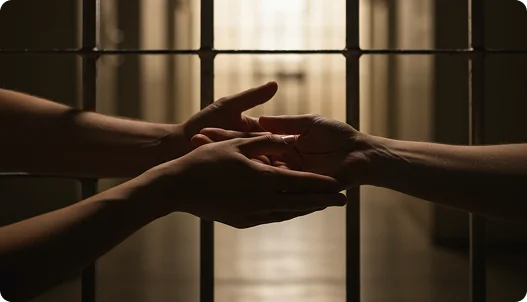
Time Moves Differently Behind Bars
A single afternoon outside can feel ordinary, filled with errands, small talk, and the quiet comfort of choice. Inside a facility, that same afternoon stretches into something heavier, marked by routine rather than freedom. Many people decide to write to an inmate precisely because that small gesture interrupts an otherwise unchanging stretch of days.
This is the foundation behind prison pen pals, a practice built on something as simple as paper and ink. Two strangers, separated by walls and circumstance, begin exchanging thoughts that neither expected to matter so much. Over weeks and months, those exchanges often grow into something neither person anticipated when they wrote the first line.
Why Correspondence Carries So Much Weight
Isolation inside correctional facilities runs deeper than physical confinement. Family ties fray, friendships fade, and the outside world keeps moving forward without pause. A letter interrupts that drift, offering proof that someone beyond the walls still remembers a name and a face.
The Quiet Power Of Being Remembered
Psychologists studying incarceration consistently note that maintaining outside relationships reduces feelings of hopelessness. Nonetheless, not everyone behind bars has family willing or able to stay in contact. This gap is precisely where prison correspondence through a pen pal becomes more than a hobby; it becomes a lifeline.
How The Practice Actually Works
Someone interested in writing to an inmate typically starts by browsing a directory of individuals seeking connection. Profiles usually include basic information, interests, and sometimes a personal note explaining what kind of friendship they hope to build. From there, a first letter goes out, and the relationship takes whatever shape both people choose to give it.
What A First Letter Usually Looks Like
Most opening letters stay light, introducing names, hobbies, and general curiosity about the other person's life. Therefore, there is no pressure to dive into heavy topics immediately, since trust tends to build gradually through repeated exchanges. Many participants describe the early letters as simply two people getting acquainted, much like any new friendship would begin.
What Happens After The First Reply Arrives
The second letter often feels different from the first, since both writers now have something specific to respond to. A shared interest, an offhand joke, or a small detail mentioned earlier becomes the thread that pulls the conversation forward. Nonetheless, this stage is where many correspondences either deepen naturally or quietly fade, depending on both people's genuine interest.
Finding A Natural Rhythm
Some pairs settle into writing weekly, while others exchange letters only once a month without losing any sense of connection. Therefore, there is no single correct pace, since the relationship itself dictates what feels sustainable for both sides. Patience tends to matter more here than frequency, particularly since mail inside facilities can take longer than expected to arrive.
Common Misconceptions Worth Addressing
Plenty of assumptions surround prison pen pals, and most of them do not hold up under closer examination. People often imagine danger or manipulation, yet the overwhelming majority of correspondence remains exactly what it appears to be, a genuine conversation. Besides this, facilities monitor incoming and outgoing mail, which adds a layer of oversight many newcomers find reassuring.
Setting Realistic Expectations
Not every letter exchange turns into a long-term friendship, and that outcome is perfectly normal. However, even short correspondence often leaves a meaningful impression on both sides of the exchange. Approaching the experience with curiosity rather than rigid expectations tends to produce the most rewarding results.
Who Chooses To Write Letters Like These
People from remarkably different backgrounds participate in pen pal programs for entirely different reasons. Some seek genuine friendship, others want to understand the justice system better, and many simply enjoy thoughtful, old-fashioned letter writing. Nonetheless, what unites nearly everyone involved is a shared belief that connection matters regardless of circumstance.
Getting Started Through Friends4Prisoners
Friends4Prisoners maintains a platform connecting writers with incarcerated individuals hoping to hear from someone new. The process is straightforward, requiring only a willingness to write honestly and consistently once a connection begins. Visit https://friends4prisoners.com/ to browse profiles and start a correspondence that could matter more than expected.
Why This Small Act Carries Lasting Impact
A letter costs little, yet its impact on someone living through long stretches of confinement can be enormous. Therefore, even a brief note sent occasionally provides a thread of normalcy that institutional life rarely offers. Prison pen pals exist because connection, even through paper, has the power to remind someone they are not forgotten.
Anyone curious about starting this journey can explore options and read more guidance through Friends4Prisoners directly. Besides this, taking the first step often feels far less intimidating than people initially assume before writing that opening letter. A simple decision to write today could become the steady correspondence someone on the other side has been hoping for.